Seasonal Hemp Farming Tips for Optimal CBD Production


Understanding Seasonal Changes in Hemp Farming
Hemp farming for CBD production is a dynamic process that requires keen attention to seasonal changes. Understanding how different seasons affect hemp growth can significantly enhance CBD yield. Farmers must consider factors such as temperature, light, and humidity, which vary throughout the year and influence plant health.
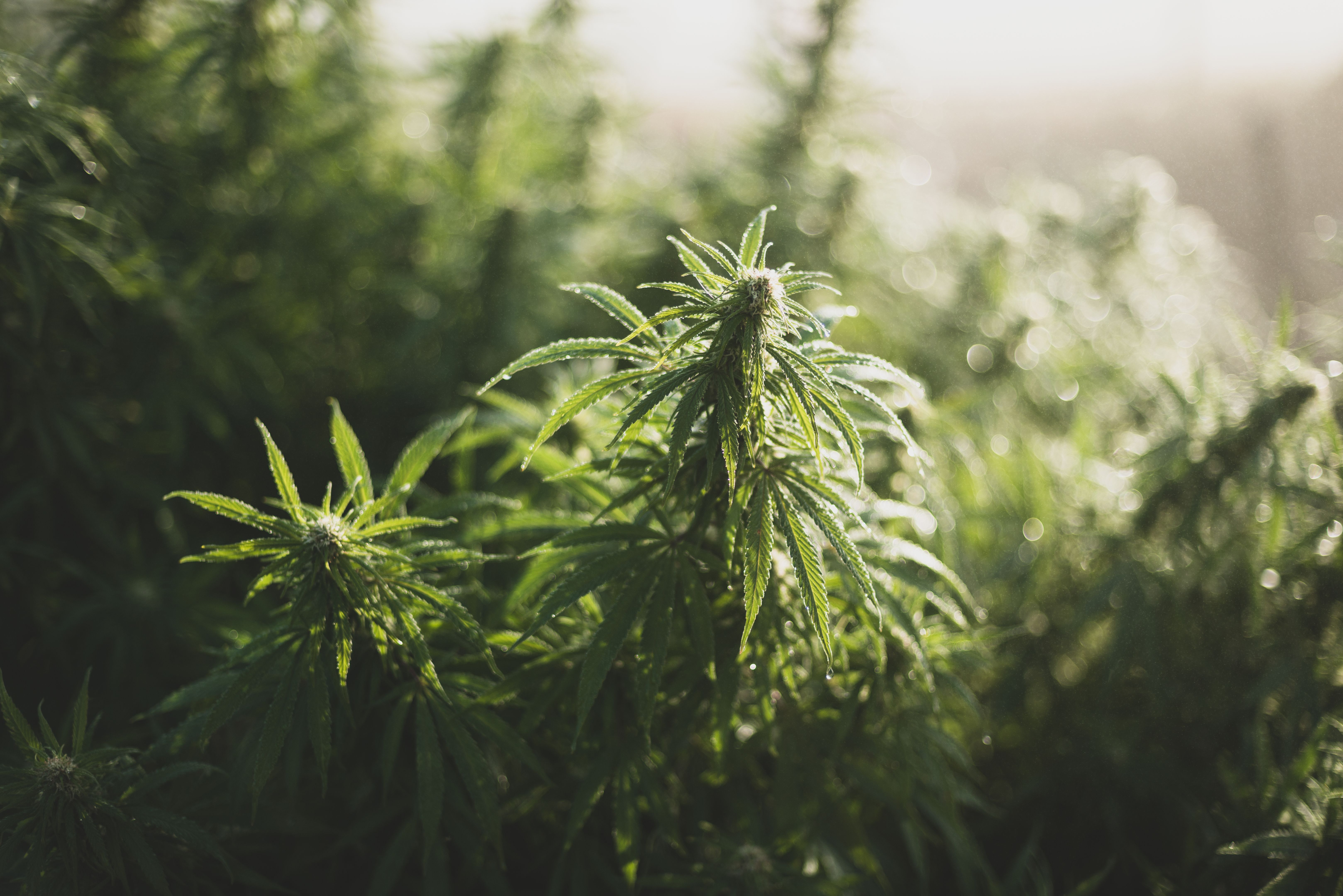
Spring is often the best time to start planting hemp seeds. The warming soil temperatures and increased daylight hours provide an ideal environment for germination. Ensuring your soil is well-prepared and nutrient-rich will lay a strong foundation for optimal growth.
Soil Preparation and Planting Techniques
Before planting, it's crucial to conduct a soil test to understand its composition and nutrient levels. Hemp thrives in well-drained, loamy soil with a pH between 6.0 and 7.5. Adding organic matter like compost can improve soil structure and fertility.
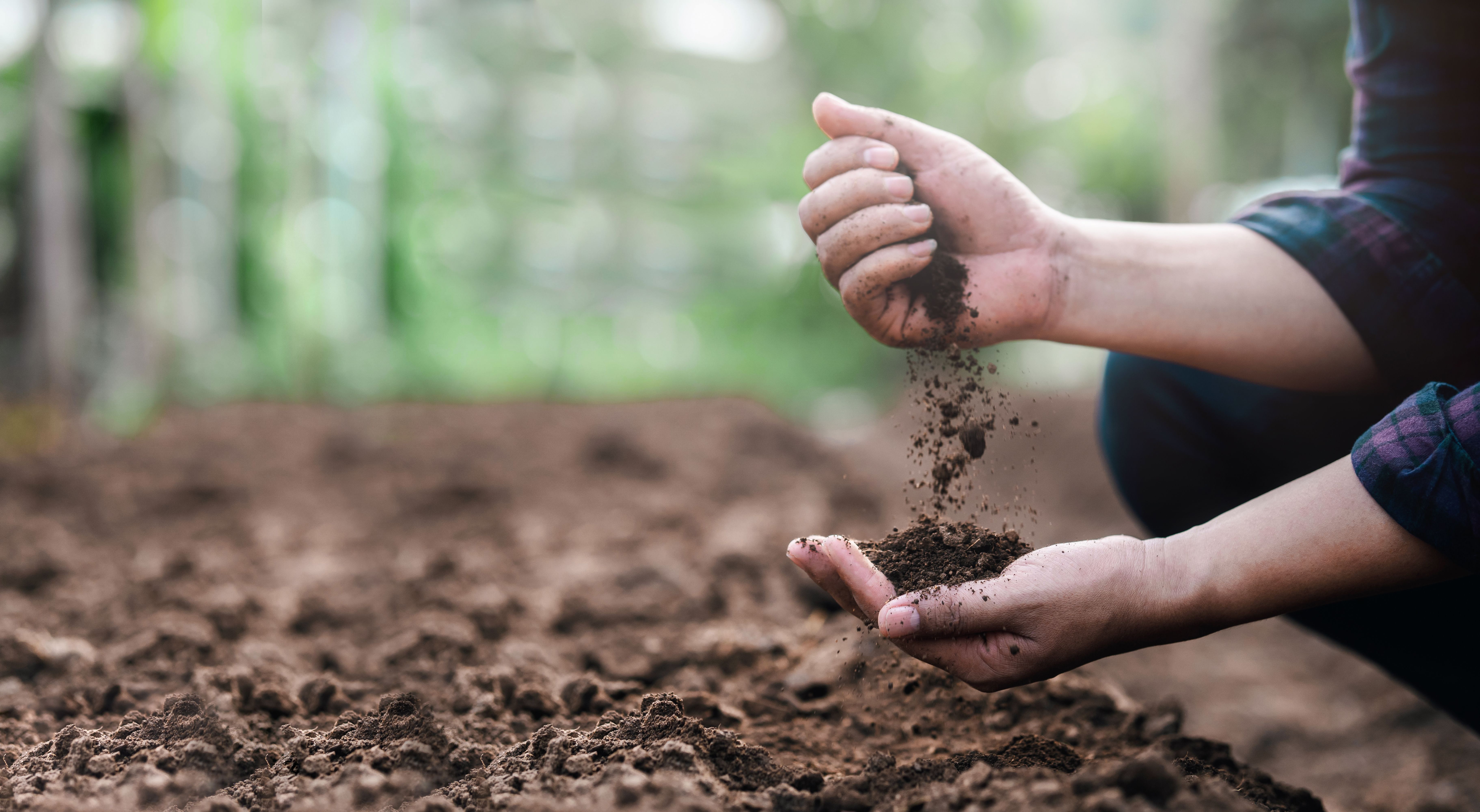
Proper planting techniques are essential for maximizing CBD production. Consider planting seeds directly into the soil to reduce transplant shock. Maintaining adequate spacing between plants ensures they receive sufficient sunlight and airflow, reducing the risk of mold and disease.
Irrigation and Nutrient Management
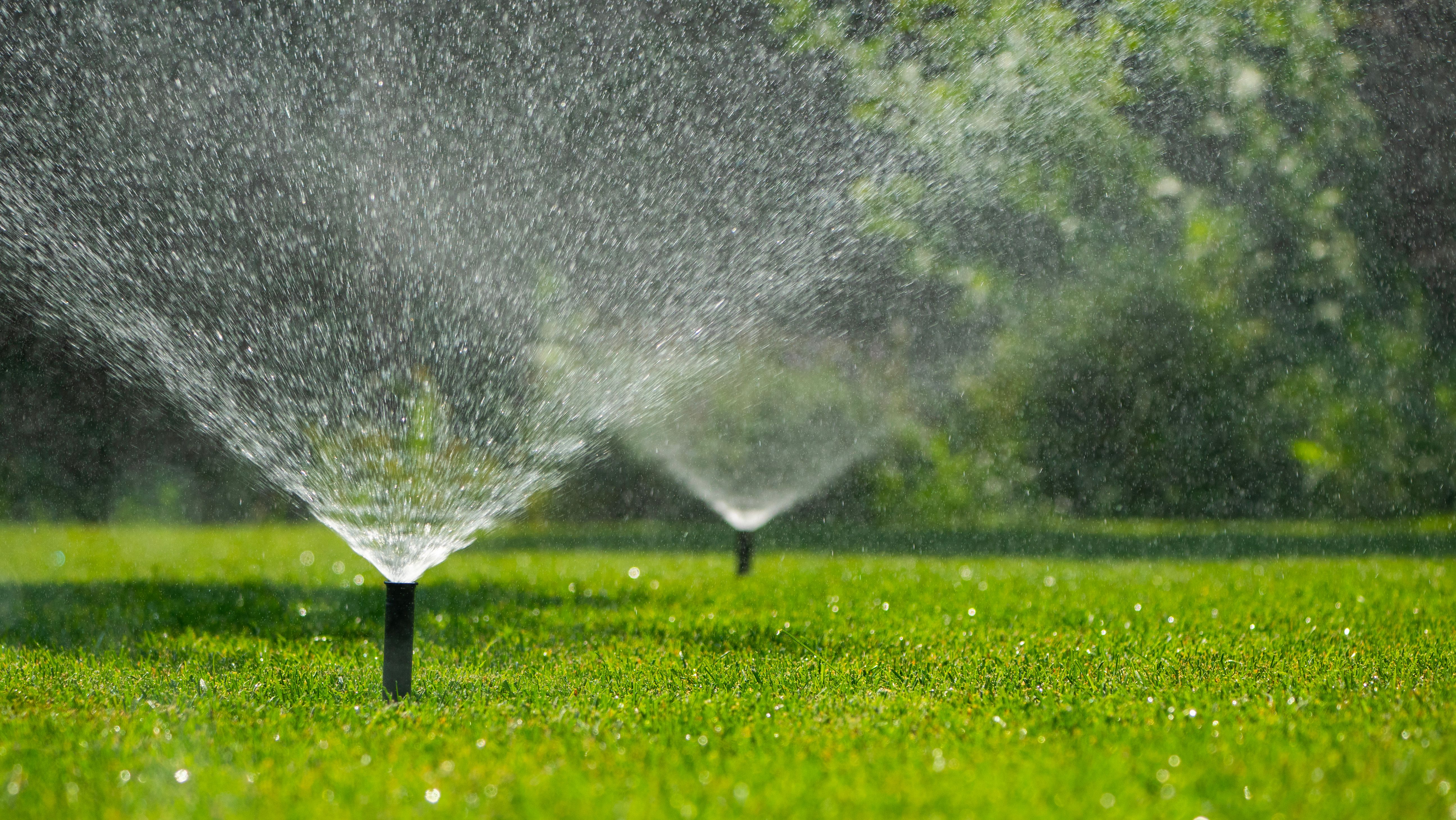
Effective irrigation is vital, especially during dry spells. Drip irrigation systems are recommended as they provide consistent moisture levels without waterlogging the soil. Monitoring soil moisture and adjusting water supply can prevent stress on the plants.
Nutrient management is equally important. Hemp is a heavy feeder, requiring nitrogen, phosphorus, and potassium for optimal growth. Implementing a balanced fertilization schedule based on soil test results can enhance plant health and CBD content.
Pest and Disease Control
As the seasons change, so do the pests and diseases that can affect hemp crops. Regular monitoring and early detection are crucial. Integrated pest management (IPM) strategies, such as crop rotation and introducing beneficial insects, can help control pest populations naturally.
Using organic pesticides as a last resort can protect the plants without compromising the quality of the CBD. Always follow label instructions and ensure any treatments comply with local regulations.
Harvesting and Post-Harvest Care
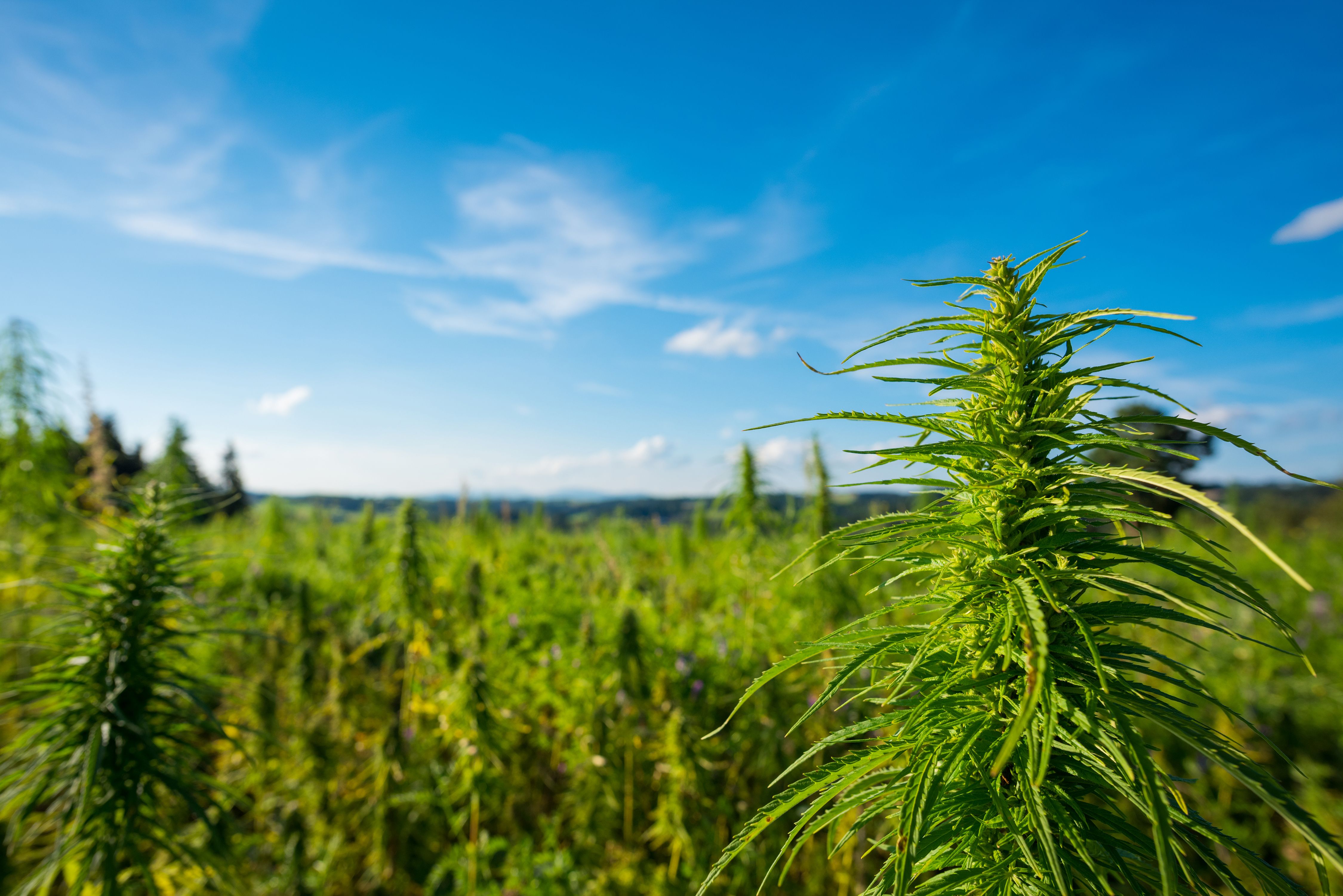
Timing your harvest is critical for maximizing CBD potency. Hemp is typically harvested in late summer to early fall, depending on the variety and local climate. Monitoring trichome development can help determine the optimal harvest time.
Post-harvest care involves drying and curing the plants to preserve CBD content. Proper drying techniques prevent mold and enhance the quality of the final product. Ensure a controlled environment with low humidity and adequate airflow during this stage.
By understanding and adapting to the seasonal needs of hemp farming, you can optimize CBD production and ensure a successful harvest year after year. Implementing these strategies will not only improve yield but also enhance the quality of your hemp crop.