Hemp Farming in Ireland: Navigating Local Regulations and Opportunities


Understanding the Basics of Hemp Farming in Ireland
Hemp farming in Ireland is gaining traction as a promising agricultural venture. The plant's versatility offers numerous opportunities, from textiles to health supplements. However, navigating the local regulations can be challenging for new and existing farmers.

Local Regulations: What You Need to Know
Before embarking on hemp farming, it's crucial to understand the regulatory framework in Ireland. The cultivation of hemp is legal, but it's subject to strict regulations. Farmers must acquire a license from the Health Products Regulatory Authority (HPRA) to legally grow hemp. This ensures that the crop is cultivated responsibly and within the law.
Additionally, farmers must ensure that the tetrahydrocannabinol (THC) content of their hemp crops does not exceed 0.2%. This is to differentiate industrial hemp from other cannabis varieties that contain higher THC levels.
Licensing Process
The licensing process involves several steps, starting with an application to the Department of Health. Farmers must provide detailed information about their farming practices, including the location, size of the land, and the intended use of the hemp. It's advisable to consult with experts or legal advisors to ensure compliance with all requirements.

Opportunities in the Hemp Industry
Once licensed, farmers can explore various opportunities within the hemp industry. The plant's fibers are used in textiles, construction materials, and biodegradable plastics. Additionally, hemp seeds and oils are gaining popularity in the health and wellness sector due to their nutritional benefits.
Moreover, the growing demand for sustainable and eco-friendly products positions hemp as a key player in Ireland's agricultural future. Farmers can tap into both local and international markets, expanding their business potential significantly.
Challenges and Considerations
Despite its potential, hemp farming in Ireland comes with challenges. The weather conditions can impact crop yields, and farmers must be prepared to adapt to changing climates. Furthermore, the initial investment in licensing and equipment can be substantial.
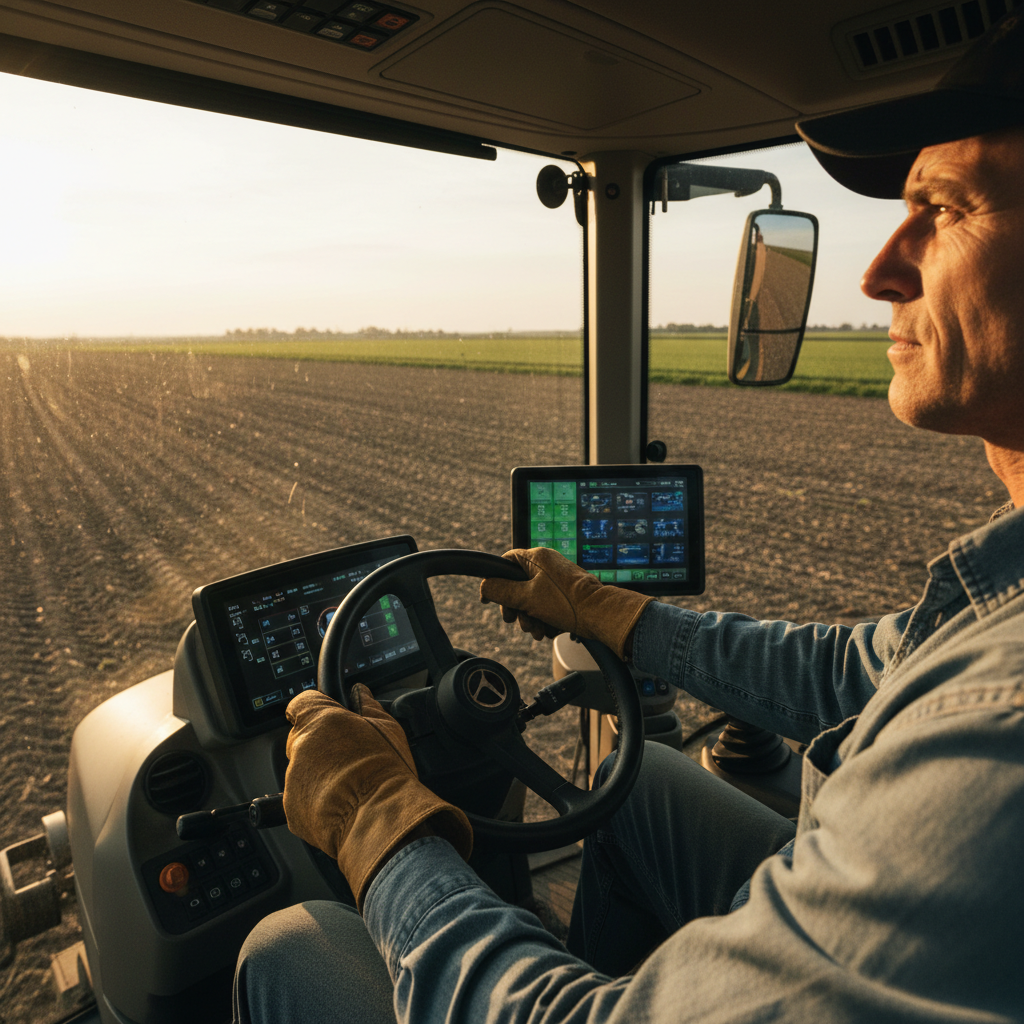
Another consideration is the need for ongoing education. Staying informed about industry trends, technological advancements, and regulatory changes is crucial for success. Engaging with local hemp farming communities and attending industry conferences can provide valuable support and insights.
Future Prospects and Sustainability
The future of hemp farming in Ireland looks promising, particularly as sustainability becomes a central focus in agriculture. Hemp's ability to rejuvenate soil and capture carbon makes it an attractive crop for environmentally conscious farmers.
As Ireland continues to develop its hemp industry, opportunities for innovation and collaboration abound. By navigating the regulatory landscape carefully and keeping abreast of industry developments, farmers can position themselves at the forefront of this burgeoning sector.